Every winter, tens of thousands of birds gather on Bewl Water in one of Britain’s greatest wildlife spectacles. As plans for increased development come forward, what could be at risk?
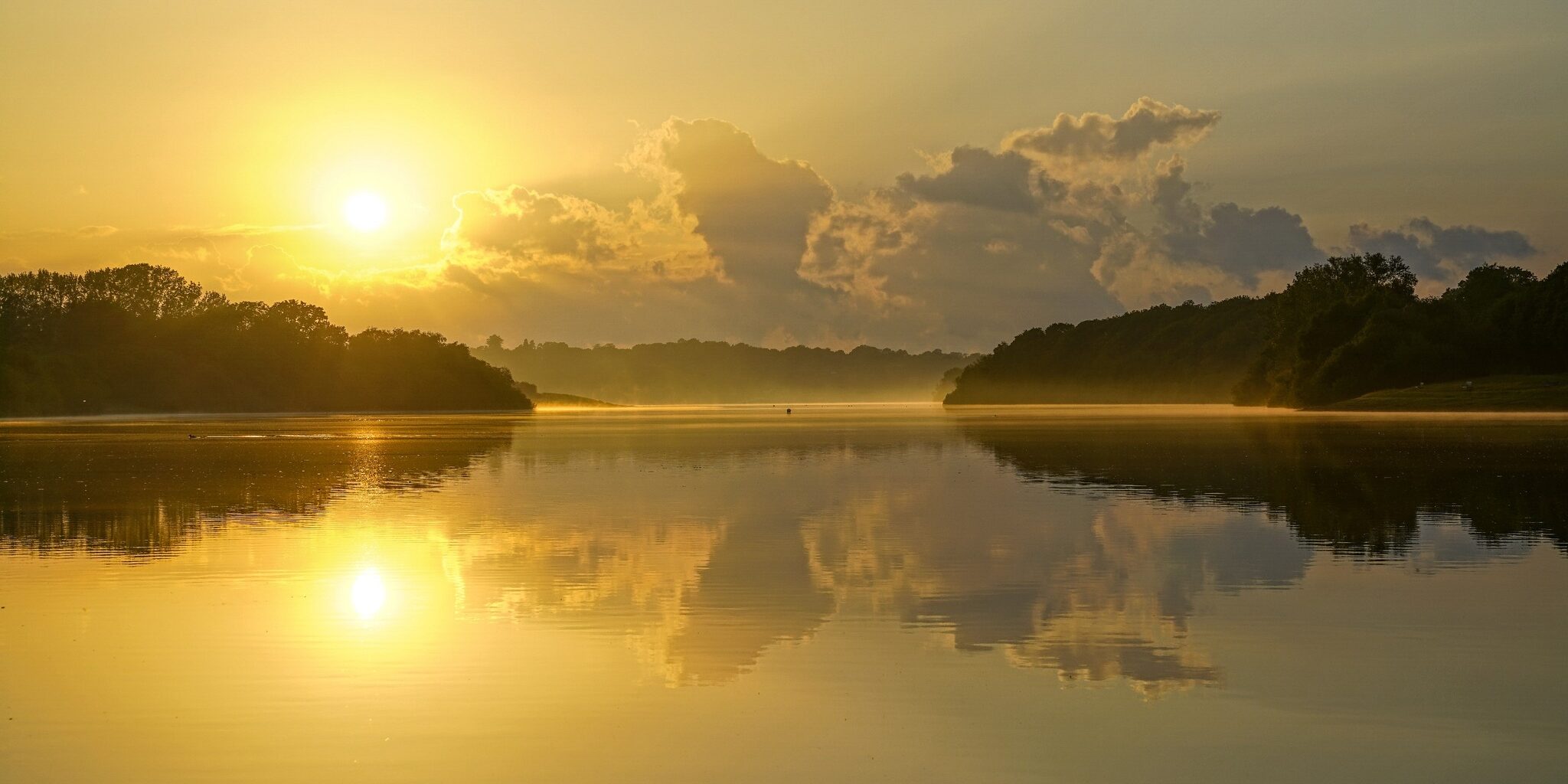
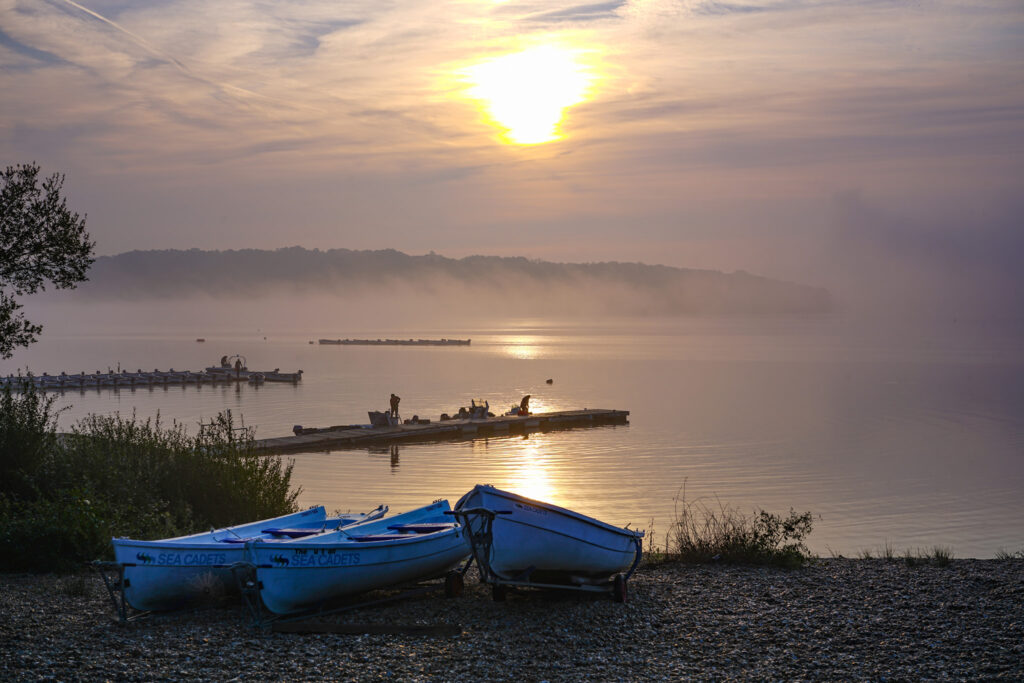
On a sunny summer afternoon, Bewl Water is full of life. Walkers enjoy the lakeside paths, cyclists complete the circuit and families stop for an ice cream while children play by the shore. It is one of the South East’s most treasured outdoor destinations.
But wait until dusk on a cold winter’s evening. As daylight fades, something extraordinary begins to unfold. Small groups of gulls appear over the surrounding hills. Then dozens more. Soon the sky is alive with birds arriving from every direction. Some have spent the day feeding in fields across Kent and Sussex, while others have travelled hundreds of miles from northern Europe before converging on the reservoir. Within an hour, tens of thousands of birds are resting peacefully on the water – one of Britain’s greatest wildlife spectacles, yet one that few people ever witness.
It is this hidden world that has become the focus of growing concern over proposals to expand tourist accommodation and recreational facilities around the reservoir. It is important to stress that Bewl Water already demonstrates that people and wildlife can coexist successfully. During the day, native wildlife shares the reservoir with walkers, anglers, sailors and other water users and there is no suggestion that this existing recreational use is incompatible with nature.
The concern is about what happens after dark. The migratory birds that arrive in large numbers during the winter evening need a safe, quiet place to roost. Extending recreational activity into the evening and night – with additional lighting, people, noise and movement around the water – could disturb them at precisely the time they are arriving to settle for the night.
Two independent ornithological studies have examined Bewl Water’s importance and assessed what increased recreational use could mean for the birds that depend upon it. Their conclusion is clear: Bewl Water is not simply another reservoir. It is a wildlife sanctuary of national importance whose greatest value begins when most visitors have gone home.
More than just another reservoir
At 323 hectares, Bewl Water is the largest inland body of water in Southeast England. It provides drinking water, supports recreation and lies within the beautiful High Weald National Landscape. It is also one of the region’s richest wildlife refuges with its woodlands, wetlands and open water supporting Kingfishers, Great Crested Grebes, Cormorants, wintering ducks, birds of prey and migrating Ospreys, while healthy fish populations underpin a thriving freshwater ecosystem.
Yet one group of birds makes Bewl Water truly exceptional.
The gulls you’ve probably never noticed
Mention gulls and many people think of noisy birds stealing chips at the seaside. The gulls that make Bewl Water internationally important are very different.
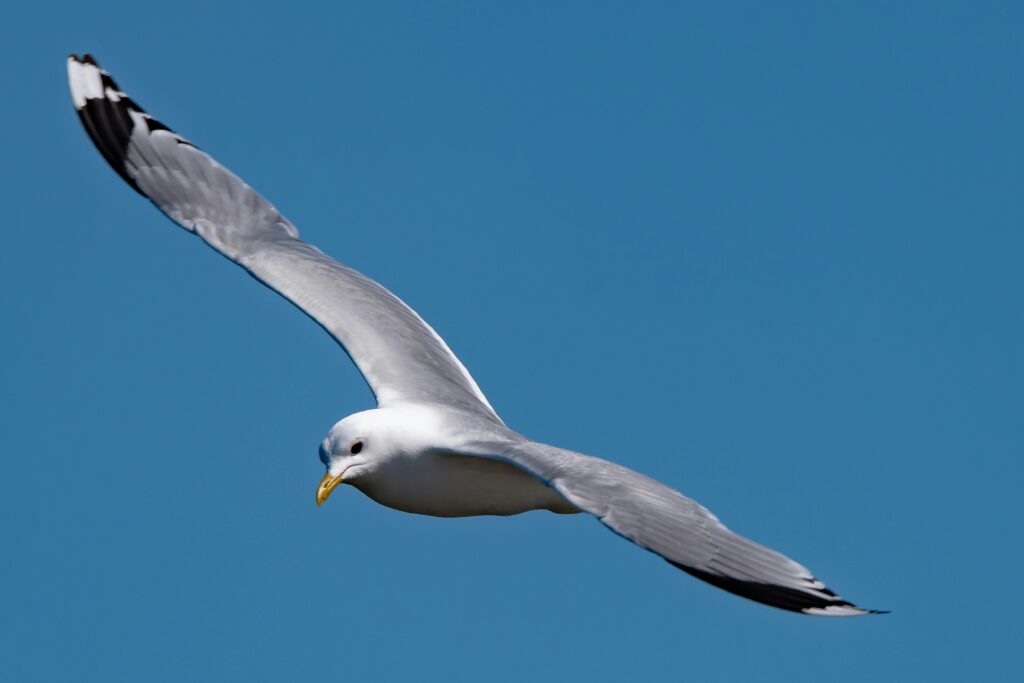
The key species is the Common Gull. Smaller, quieter and far less familiar than its urban relatives, it breeds in northern Europe before spending the winter in Britain. By day these birds feed in surrounding farmland. As evening approaches, they fly to large expanses of open water where they can roost safely overnight.
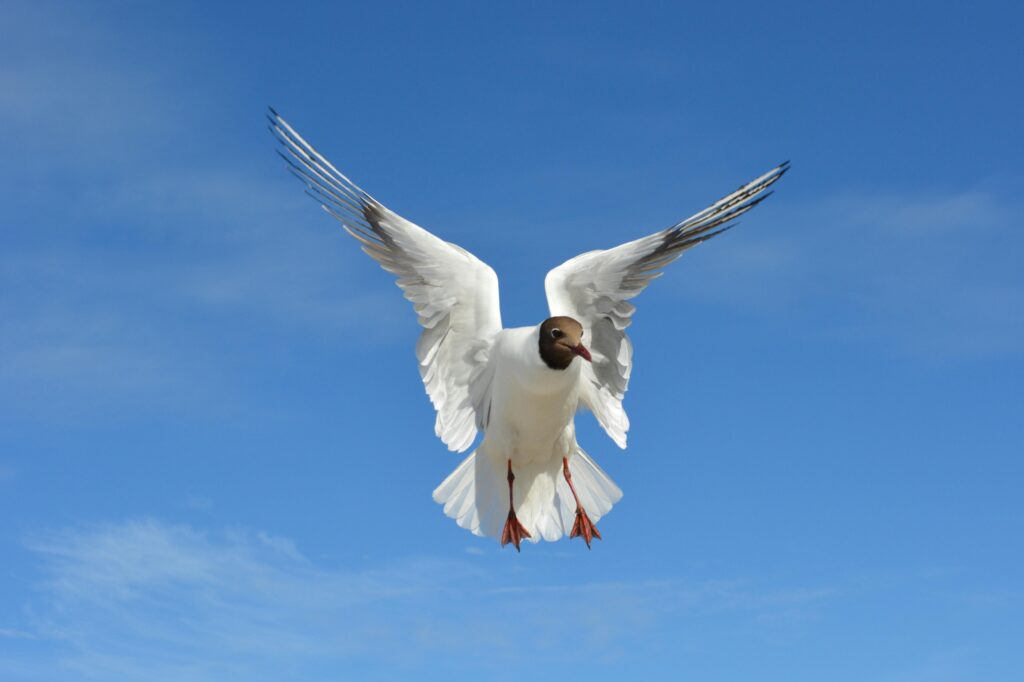
Their conservation status makes Bewl Water’s role even more significant. Common Gull and Herring Gull are now Red-listed Birds of Conservation Concern, while Black-headed and Lesser Black-backed Gulls are Amber-listed.
A wildlife spectacle on an astonishing scale
The numbers are almost impossible to imagine. Bewl Water regularly supports more than 20,000 Common Gulls making it the largest known winter roost for the species anywhere in Britain.
On exceptional evenings, counts have exceeded 91,000 Common Gulls, nearly 70,000 Black-headed Gulls and more than 100,000 gulls of all species combined. At times, more than one in every ten Common Gulls wintering in Britain has been roosting on Bewl Water.
The sheer scale of Bewl Water’s winter bird populations places it among the country’s most important wildlife sites. The studies concluded that the reservoir meets internationally recognised criteria for wetlands of exceptional importance for waterbirds, and it has now been shortlisted for designation as a Special Protection Area (SPA) – one of the highest levels of recognition for sites that support internationally important bird populations.
Why do they come here?
Open water provides something fields cannot: safety. Foxes and other predators cannot easily reach birds resting well away from the shore while the open water allows them to detect danger from a distance.
Many gulls return to the same winter roost every year. Scientists call this site fidelity but it simply means the birds have learned which places they can trust. A dependable roost is much more than somewhere to sleep. Research shows that birds with secure winter roosts are more likely to breed successfully the following spring. Disturbance forces birds to waste valuable energy, particularly during the harsh winter months.
Imagine arriving home…
Imagine you’ve travelled hundreds of miles. You’re exhausted. Night is falling and you’ve reached the one place you’ve always known to be safe. Just as you settle down, bright lights appear. Voices echo across the water. Activity continues along the shoreline. Suddenly thousands of birds take to the air, burning precious energy searching for somewhere else to land. The following night it happens again. Eventually, they may decide this place is no longer safe.
That is why ornithologists are concerned. Disturbance is not simply about birds being startled. During winter, every unnecessary flight consumes energy that birds need to survive and repeated disturbance can eventually reduce the value of a roost or even cause birds to abandon it altogether.
Why the proposed development matters
Bewl Water already provides a successful example of people and wildlife living alongside one another. During daylight hours, the reservoir supports a wide range of recreational activities, including sailing, fishing, walking and cycling alongside a rich community of native wildlife. The studies do not suggest that this daytime activity needs to stop.
The concern is the proposed extension of activity into the evening and night, particularly during the winter months when tens of thousands of migratory birds arrive to roost.
Together, the proposals would increase overnight stays and recreational activity around one of the reservoir’s most sensitive areas. More evening lighting, greater shoreline use, additional movement after dark and increased recreational activity could disturb birds during the critical period when they are arriving to roost.
This is therefore not an argument against water sports or people enjoying Bewl Water. It is about protecting the quiet evening and night-time environment that migratory birds depend upon while allowing the successful coexistence between recreation and wildlife that already exists during the day.
The studies therefore recommend that any increase in recreational use should be assessed with great care recognising the exceptional importance of Bewl Water for wildlife.
What other reservoirs have learned
One of the strengths of the research is that it compares Bewl Water with more than twenty major gull roosts across England, Scotland and Wales. The pattern is strikingly consistent: reservoirs can successfully balance recreation and wildlife but only through careful management.
Many require sailing to finish well before sunset during winter. Others establish wildlife refuge zones where boats are excluded altogether, while some close parts of the water during the most sensitive months. These measures are not anti-recreation; they simply recognise that birds need periods of peace if they are to continue using these internationally important sites.
Why Bewl Water is different
Many reservoirs have nearby alternatives if birds are disturbed. Bewl Water does not. There are no comparable large inland waters close enough to provide an equivalent refuge making the reservoir uniquely important and particularly vulnerable. If birds abandon Bewl Water, there is no obvious replacement waiting nearby. That is one of the principal conclusions reached by both studies.
It’s about much more than gulls
Although the research focuses on gulls, the implications are much wider. Great Crested Grebes fish in sheltered bays, Kingfishers patrol the margins, Ospreys pause here during migration and wintering ducks and many other waterbirds depend upon the same peaceful waters. Disturbance rarely affects only one species. Protecting Bewl Water means protecting an entire ecosystem.
A place worth protecting
The debate about Bewl Water is sometimes presented as a choice between tourism and conservation. The evidence suggests it is nothing of the sort.
Bewl Water already shows that people and wildlife can thrive together. During the day, sailors, anglers, walkers and cyclists share this remarkable place with Kingfishers, Great Crested Grebes, ducks and other native wildlife. The challenge is not to disrupt that successful coexistence, but to ensure that new development does not extend disturbance into the evening and night when the reservoir takes on a completely different ecological role as a vital refuge for migratory birds.
Across Britain, reservoirs demonstrate that people and wildlife can thrive together when development respects ecological limits. Successful sites carefully manage recreation, protect sensitive areas and minimise disturbance during the critical winter months. The proposed expansion of tourism and recreation at Bewl Water therefore raises an important question: how much additional pressure can this unique wildlife site absorb, particularly after dark, before its ecological value begins to decline?
Every winter, long after the cafés have closed and the footpaths have emptied, tens of thousands of birds continue an ancient ritual that few people ever see. Many have travelled hundreds of miles because generations of birds have learned that Bewl Water is a place where they can survive the winter. They ask for remarkably little: darkness, quiet and a place of safety.
If increased development gradually erodes those qualities, the change may be almost invisible. Birds may simply begin to disappear, one winter at a time, until one of Britain’s most remarkable wildlife spectacles has quietly been lost. Once that happens, it is unlikely to return.
Our responsibility is not to stop people enjoying Bewl Water. It is to preserve the successful coexistence that already exists during the day, while protecting the peace and darkness that migratory birds need at night. In doing so, future generations can inherit a reservoir that remains both a cherished place for people and one of Britain’s most important sanctuaries for wildlife.
How you can help
If you believe Bewl Water’s remarkable wildlife deserves protection, please consider supporting the work of Friends of Bewl Water. The group is working constructively with local communities, parish councils and environmental experts to ensure that any future development respects the reservoir’s exceptional wildlife and landscape. Whether you can volunteer your time, share your expertise, support research or simply help spread the word, every contribution makes a difference. To find out more, please visit the Friends of Bewl Water website or contact me using the details below.
Cllr Geoff Mason
Member, Friends of Bewl Water
Goudhurst Parish Council Representative on the Bewl Water Working Group
geoff.mason@goudhurst-pc.gov.uk
References
Cowser, R. & Mallalieu, M. (2023). Bewl Water Winter Gull Roost Review.
Phelps, M. (2023). Assessing the Impacts of Human Disturbance on Gull Roost Sites: A Study in England, Scotland and Wales, with a Focus on Bewl Water and the Potential Effects of Proposed Increased Recreational Use. Report prepared for Wadhurst Parish Council.
Stanbury, A. et al. (2021). Birds of Conservation Concern 5. British Birds, 114, 723–747.